
Somatic Therapist Bay Area for Trauma, Family, and Cultural Healing
You might believe you're stuck because something is wrong with your mindset — that if you could just think differently, the pain would go away.
That's one way to understand pain. I'd like to offer you another.
Sometimes change doesn't begin by correcting what we're doing. It begins by getting curious about why our system learned to respond this way in the first place.
This is where insight becomes central to how I work.
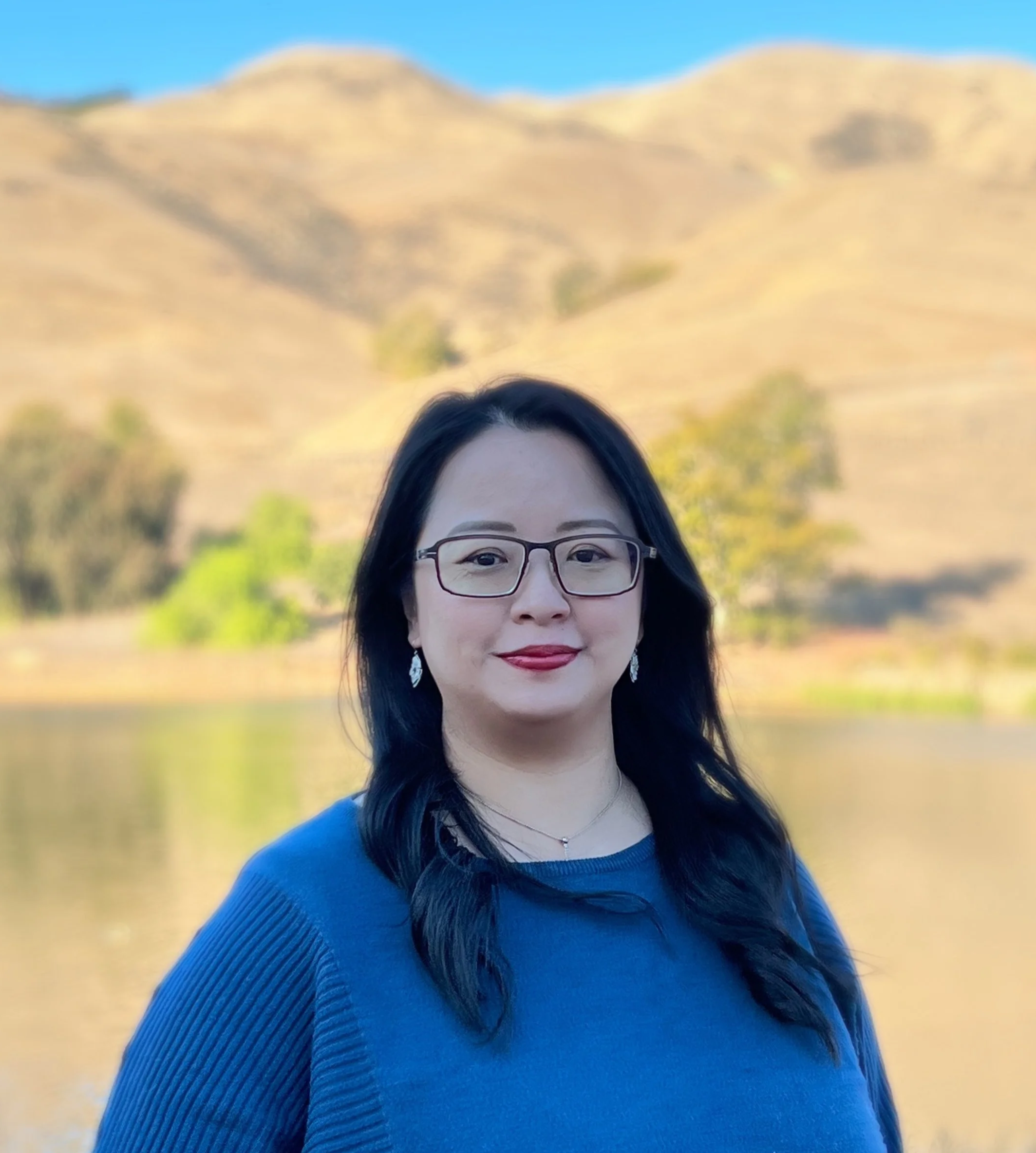
Meet Jingyi, a Somatic Therapist in the Bay Area
also available in Chinese 關於我
Insight Creates Room for Intentional Change
Meaningful change often begins not by fighting ourselves, but by understanding what's happening within us, and why. When we're stuck, our thoughts, emotions, and body sensations shape how we experience ourselves and the world — often before we're even aware of it.
In therapy, I help you slow down and look more closely: what you notice in your body, the meanings you carry, the relationships and systems that shaped you. As these pieces come together, you start to see where you're stuck, what you're holding onto, and why.
Somatic Therapy in the Bay Area: Listening Beyond Our Thoughts
Sometimes the body notices what the thinking mind has not yet put into words. Sensations, tension, breath, impulses, and subtle shifts in how safe or unsettled we feel can all give us information about our experience.
When the Body Learns to Protect
Overwhelming experiences can shape how our nervous system responds later. Something may logically seem “fine,” while your body becomes tense, alert, or wants to pull away.
Instead of treating these reactions as something to get rid of, we can become curious: What is your body responding to? What has it learned to anticipate?
Bringing the Body Into the Story
As a somatic therapist in the Bay Area, I see healing from trauma and early experiences as more than understanding what happened intellectually. Our work may include noticing sensations, emotions, memories, images, or where your attention naturally goes. I may also incorporate Brainspotting to explore how where we look connects with what we feel internally.
The goal isn't to analyze every sensation or force the body to relax. It's to let the body become part of the fuller story.
Attachment, Family, and Culture Shape How We Relate

We don't become who we are in isolation.
Attachment
Early relationships teach us what closeness, conflict, and safety look like — and what happens when we express our needs.
Family
We often take on roles growing up: the responsible one, the achiever, the peacemaker, the one who keeps everyone together.
Culture
Family loyalty, sacrifice, success, emotional expression, and expectations about who we should become all shape how we relate to ourselves and others. For immigrants and Asian and Asian American clients, this can also mean navigating different values across generations and environments.
Understanding these influences isn't about deciding they were good or bad. It's about recognizing what shaped you — and what you want to carry forward, or approach differently, now.
Being able to understand and tell our experiences in our own way can itself be part of healing. Sometimes our stories have already been shaped by family expectations, culture, trauma, shame, or other people's ideas about who we should be.
Therapy creates space to revisit those experiences without deciding for you what your story is supposed to mean. We can become curious about:
What happened to me?
What did I make it mean?
How do I want to understand my story now?
The goal isn't to rewrite the past, but to have more agency in how it defines you today.

What It's Like to Work With a Somatic Therapist in the Bay Area
Working with me isn't about rushing to solutions. It's about creating space to pause, feel, and listen to what your body has been carrying.
Some clients cry, not from overwhelm, but because something finally feels seen. Others notice what it's like to breathe without bracing.
You may know what should help—setting boundaries or staying calm—and still struggle to follow through. Your system may still be responding in ways it learned to protect you. Together, we work with those stuck places rather than against them.
What that can look like:
Feeling understood around family roles that are hard to name
Support beyond coping skills, with space to process and integrate
Exploring family pain to shift patterns, not assign blame

Jing-Yi Chen, M.Ed
● M.Ed in Community Counseling, Kent State University
● Licensed Professional Clinical Counselor (LPCC), California —#11439
● Licensed Professional Counselor (LPC), Pennsylvania
● Licensed Professional Counselor (LPC), Texas
Education/License:
Trauma & Somatic
● Certified Brainspotting Therapist
(Brainspotting Phase 1-5 & Bodyspotting)
● Polyvagal Theory in Action
● Human Trafficking Training (US & Taiwan)
● Ongoing advanced training in trauma-informed and somatic approaches
Family & Relationships
● Emotionally Focused Family Therapy (EFFT)
● Structural Family Therapy — 7+ years of training and professional experience
● Parent-Child Interaction Therapy (PCIT) & PC-CARE
Integrative Approaches
● Internal Family Systems (IFS), Level 1 Trained
● Solution-Focused Brief Therapy (SFBT)
Certification/Training
A little about me
Born and raised in Taiwan, I'm a first-generation immigrant — from Taipei to Ohio and Pennsylvania, and eventually to California during the pandemic. Each move added a new lens for understanding identity, and reminded me how much perspective is shaped by where we've been.
I work in English, Mandarin, and Taiwanese Hokkien, and I'm especially drawn to scent as another way of connecting with the senses. Aromatherapy shows up in my own home through DIY blends and small daily rituals.
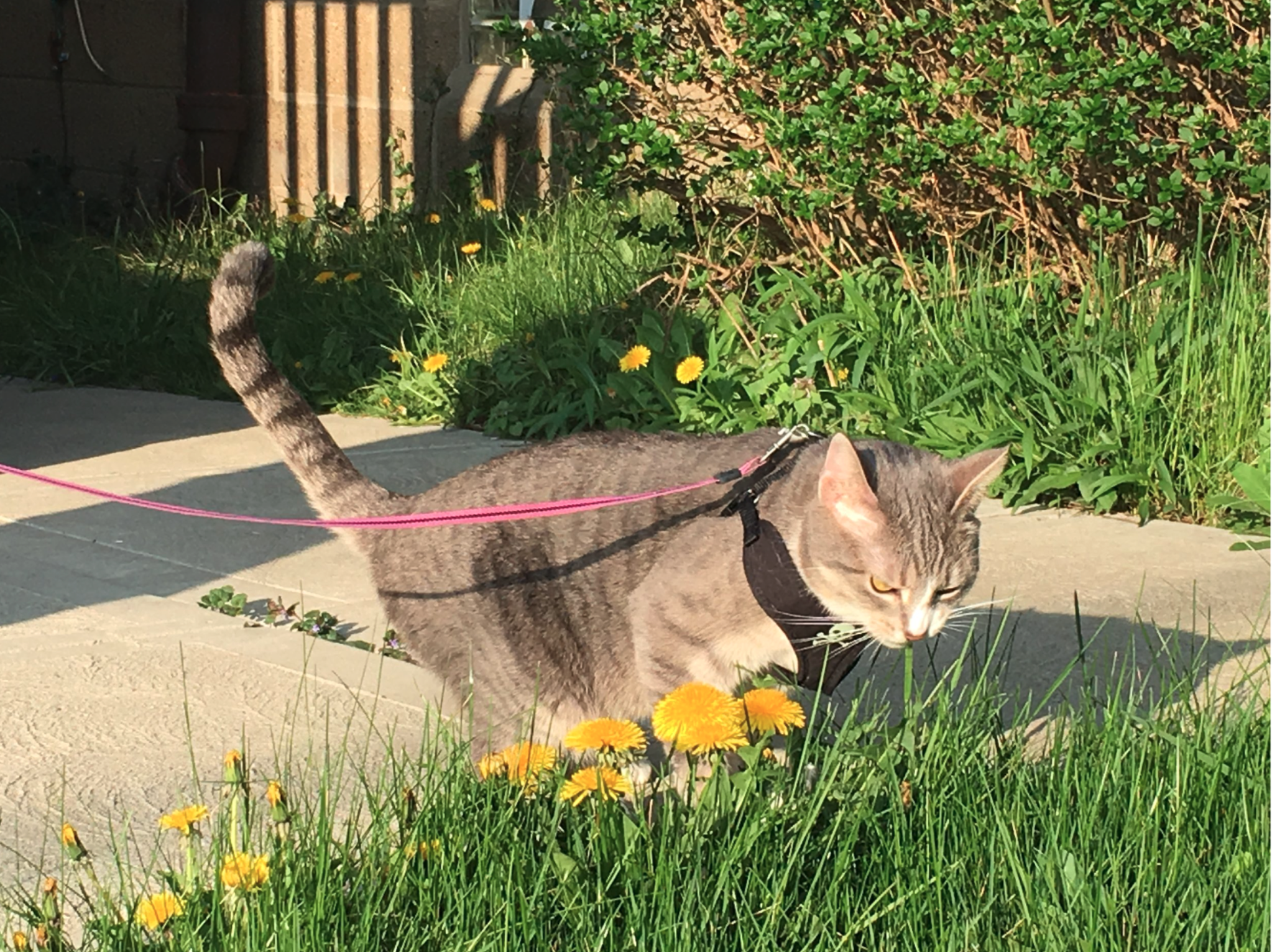
Outside sessions, I'm usually cooking, baking, or wrangling three very opinionated fur kids (🐈⬛🐈🐶). In Taiwanese culture, food is how we say "I love you" — "have you eaten yet?" really means "I care about you."
This Might Resonate With You If...
You want to understand where things come from, not just manage symptoms
You've tried talk therapy but still feel it in your body
You know why you're stuck, but knowing hasn't changed it
You carry both Asian and Western values, and feel pulled between them
You want a space that's curious, not corrective
You're open to working in English, Mandarin, or Taiwanese Hokkien (Taiwanese)
Still have questions before reaching out? Check out our FAQs.
SERVICES


Begin Working With a Somatic Therapist in the Bay Area
If something here sounds like you, we can start with a consultation. I currently see clients located in California, Pennsylvania, or Texas, and work in English, Mandarin, or Taiwanese Hokkien. You can ask questions, get a feel for how I work, and see if it feels like the right fit.