
Somatic Therapist Bay Area for Trauma, Family, and Cultural Healing
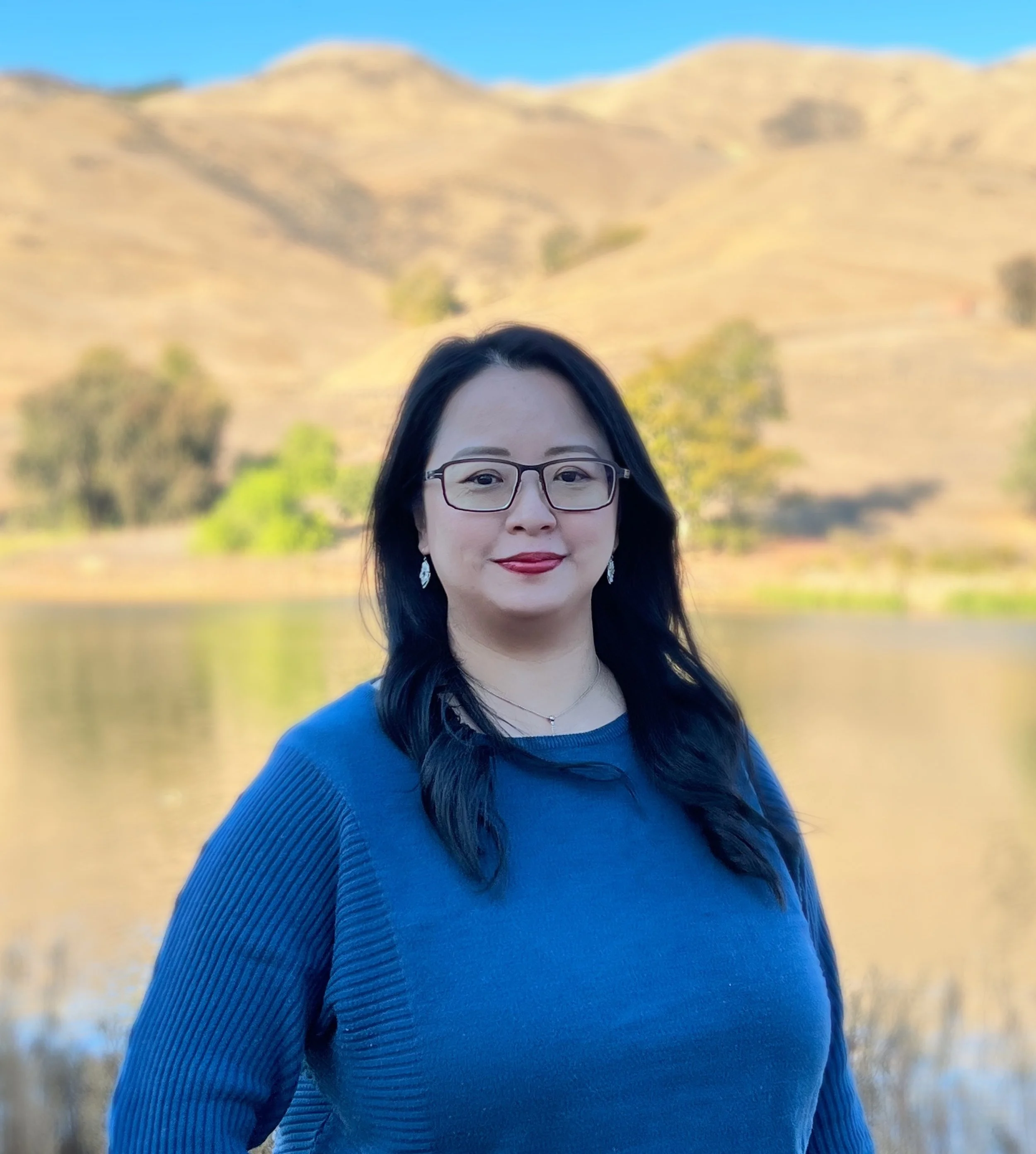
About Jingyi
also available in Chinese 關於我
Why I Work as a Somatic Therapist in the Bay Area
Many people come to therapy expecting it to be mostly talking—explaining what happened, understanding patterns, learning strategies. Those things matter, and we may do them. But what I care about most is whether your whole body actually feels safe.
I often meet people who have already tried therapy. They understand their history. They know what they “should” do. And yet, they keep finding themselves stuck in the same emotional loops—anxiety that won’t settle, relationships that repeat familiar pain, a body that stays tense even when life looks “fine.”
When talking isn’t enough, it’s often because the nervous system is still holding on. Trauma doesn’t just live in memory—it lives in the body. As a somatic therapist in the Bay Area, my work begins there: helping you notice where your body is still protecting you, and gently supporting it to release what it no longer needs.
“I’m not weak, I was trusting.
I’m not giving up, I’m healing.
I’m not incapable of love, I’m giving.
I’m not alone, I see you all here.
I’m fighting this.”

What Working With a Somatic Therapist in the Bay Area Feels Like
Working with me isn’t about rushing to solutions—it’s about creating space to feel, pause, and listen to what your body has been carrying.
Some clients tell me they cry not out of overwhelm, but because something finally feels seen. Others notice, for the first time, what it’s like to breathe without bracing. The room isn’t just for talking—it’s for unwinding, slowly and safely.
You may know what’s “supposed” to help—setting boundaries, staying calm, changing your thoughts—but still find it impossible to follow through. That doesn’t mean you’re broken. It means your body may still be in survival mode. Together, we’ll gently work with the stuck places, not against them.
Here’s what that might look like:
You’ll feel understood, especially around family dynamics and emotional roles that are hard to name.
You’ll get real support—not just coping skills, but space to process and integrate.
You’ll slow down, breathe, and begin to trust your body again.
You’ll explore family pain—not to assign blame, but to shift patterns and connect more honestly.
You’ll honor your heritage, even as you carve out your own identity.
You’ll practice new ways to relate, communicate, and hold your boundaries.
You’ll feel more yourself—not because you “fixed” anything, but because you’re finally heard.
This is the heart of somatic therapy: healing that doesn’t demand perfection, just presence.
How My Approach Supports Trauma, Family, and Cultural Healing
As a therapist in CA, my work is shaped by more than one model. Somatic therapy is the foundation, but it’s supported by structural family therapy, cultural perspectives, and trauma-informed frameworks.
Family roles, boundaries, and unspoken rules don’t disappear just because we’re adults. Cultural expectations—especially in immigrant or bicultural families—can shape how safe it feels to speak, rest, or take up space. These experiences often live in the body long before we can name them.
In our work together, we may explore how family dynamics shaped your nervous system, how culture influenced what you learned to suppress or endure, and how your body adapted to survive. Healing doesn’t require rejecting your roots. It means creating room for new ways of relating—to yourself and others—while honoring where you come from.
A little about me
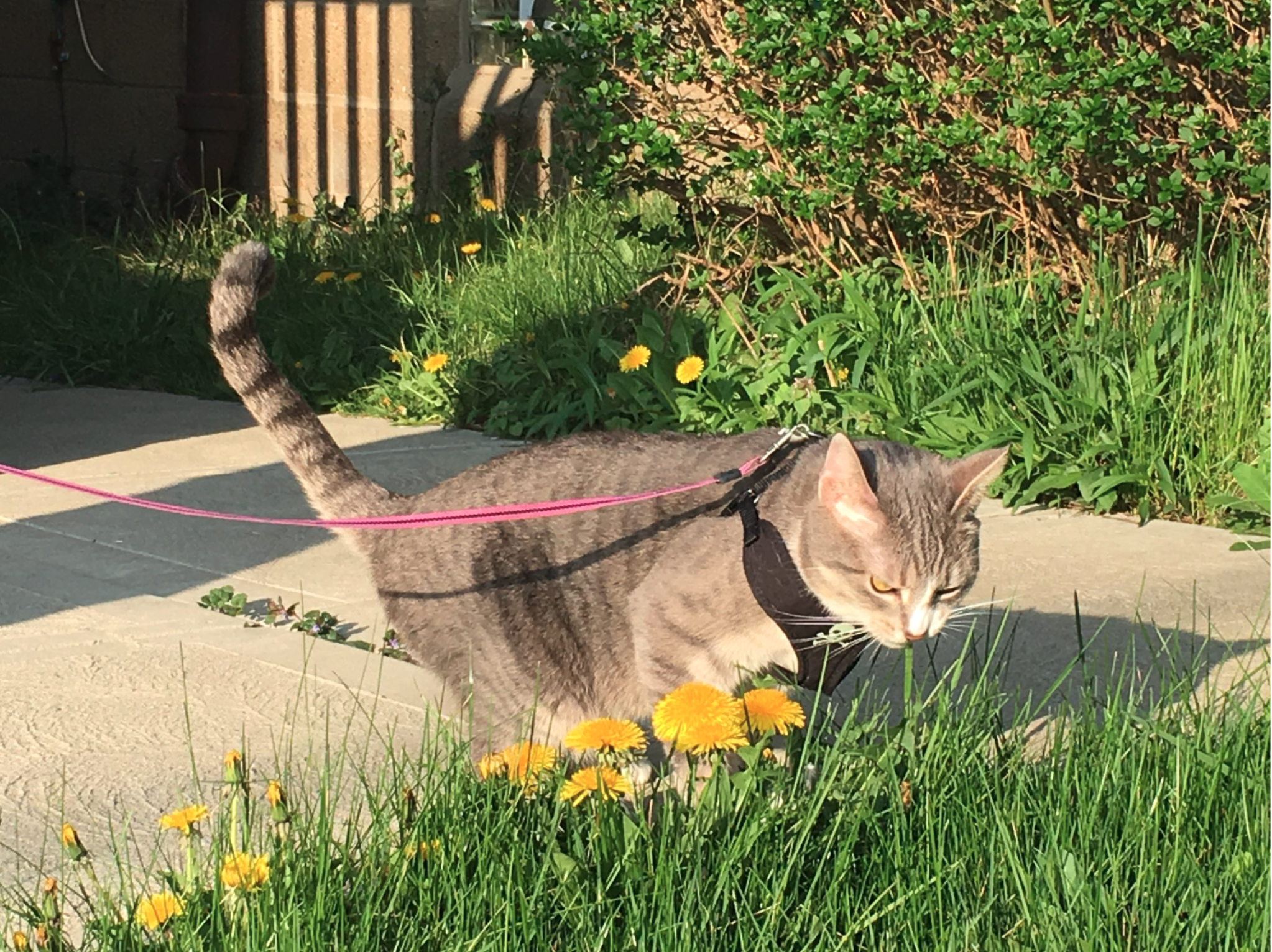
I was born and raised in Taiwan and am a first-generation Taiwanese immigrant, proudly mothering three fur kids (🐈⬛🐈🐶). After living in Ohio and Pennsylvania for over ten years, I moved to California during the pandemic. From Asia to the U.S. and from the East Coast to the West Coast, I cherish the diverse perspectives I've gained.
Outside the counseling room, I find joy in cooking and baking. Food, a deviation from my cultural norm, has become my self-soothing approach and love language. In Taiwanese culture, we greet each other by asking, “Have you eaten yet?” As Asians, we express love and care through food. Additionally, I'm passionate about scent therapy (aromatherapy) and enjoy incorporating essential oils into my daily life, creating DIY items for both enjoyment and coping.

🎓 M.Ed in Community Counseling, Kent State University
🪪 Licensed Professional Clinical Counselor (LPCC), California.#11439
🪪 Licensed Professional Counselor (LPC), Pennsylvania
🪪 Licensed Professional Counselor (LPC), Texas
Education/License:
🔘 Internal Family Systems Level 1 Trained
🔘 Certified Brainspotting Therapist with training of Phase I, II, III & bodyspotting.
🔘 Polyvagal Theory
🔘 Advanced trauma therapy
🔘 Structural Family Therapy: over 7 years of training and work experiences
🔘 Parent-child Interaction Therapy (PCIT) and PC-CARE
🔘 Solution-Focused Brief Therapy (SFBT)
Certification/training
SERVICES


Begin Working With a Somatic Therapist in the Bay Area
Whether you're navigating trauma, family dynamics, or cultural transitions, you don’t have to do it alone. I offer online therapy across California, Pennsylvania, and Texas—in English, Mandarin, or both.
Let’s find a way forward, together.